NFTs and cryptocurrencies are rapidly changing the way we think about value in the digital world. These innovations appeal particularly to younger generations looking for new avenues of online income and investment opportunities.
Understanding the basics of these technologies is essential for anyone interested in participating in the evolving digital economy.
What are NFTs and cryptocurrencies?
NFTs, or Non-Fungible Tokens, are unique digital assets that represent ownership of a specific item or piece of content, often linked to art, music, or in-game items. Unlike traditional currencies or commodities, NFTs are indivisible and cannot be exchanged for one another on a one-to-one basis.
On the other hand, cryptocurrencies are digital currencies that function on a technology called blockchain. They are decentralized, meaning they are not controlled by any central authority like a bank. Bitcoin and Ethereum are prominent examples of cryptocurrencies that have paved the way for this new financial landscape.


Both NFTs and cryptocurrencies are integral to the development of Web3, a decentralized internet that prioritizes user control and ownership. Understanding the relationship between NFTs and cryptocurrencies is key for anyone looking to navigate this new digital economy.
What are NFTs?
NFTs represent ownership of unique digital assets, secured through blockchain technology. This technology ensures that ownership is transparent and verifiable, preventing duplication and fraud. NFTs can include digital art, music files, tweets, and even virtual real estate.
One of the most popular platforms for trading NFTs is OpenSea, where users can buy, sell, and showcase their collections. Additionally, NBA Top Shot has gained massive popularity by allowing fans to purchase officially licensed highlights as NFTs.
The appeal of NFTs lies in their uniqueness and the ability to prove ownership, which is particularly attractive for artists and creators. By owning an NFT, an individual can show their support for a creator while also potentially benefiting from the value appreciation of the asset over time.
What is cryptocurrency and how does it work?
Cryptocurrency is a form of digital currency that leverages blockchain technology to gain decentralization, transparency, and immutability. Cryptocurrencies operate independently of a central bank and are maintained by a global network of computers.
The most common way to acquire cryptocurrency is through mining or purchasing on exchanges. Cryptocurrencies are stored in digital wallets, which can be software-based on a computer or hardware devices specifically designed for security.
Blockchain technology provides a public ledger that records all transactions, ensuring that every user can verify the integrity of the currency. This transparency is one of the main attractions of cryptocurrencies, as it promotes trust among users.
What are the key differences between NFTs and cryptocurrencies?
While both NFTs and cryptocurrencies operate on blockchain technology, they serve different purposes. NFTs are unique digital assets, while cryptocurrencies are fungible and can be exchanged for one another. This fundamental difference in nature affects how they are used within the digital economy.
- Fungibility: Cryptocurrencies are interchangeable (e.g., one Bitcoin is equal to another Bitcoin), while NFTs are unique (e.g., each NFT is distinct with its own value).
- Purpose: Cryptocurrencies are primarily used as a medium of exchange, while NFTs are for ownership and representation of unique items.
- Marketplaces: NFTs are often traded on specific platforms like OpenSea, whereas cryptocurrencies are available on broader exchanges like Coinbase and Binance.
How do NFTs and cryptocurrencies work together?
The relationship between NFTs and cryptocurrencies is increasingly significant as they coexist within the decentralized finance (DeFi) ecosystem. NFTs can be bought and sold using cryptocurrencies, creating a seamless integration of both asset types.
Additionally, many NFT platforms require users to hold a specific cryptocurrency, usually Ethereum, to facilitate transactions. This relationship enhances the use and demand for cryptocurrencies while providing liquidity for NFT markets.
As the digital economy continues to evolve, the interaction between NFTs and cryptocurrencies will likely expand, offering new opportunities for creators and investors alike.
What are the risks associated with NFTs and cryptocurrencies?
Investing in NFTs and cryptocurrencies comes with inherent risks, such as market volatility and the potential for scams. The values of cryptocurrencies can fluctuate dramatically, leading to significant financial losses for investors.
Moreover, the NFT space is susceptible to misleading promotions and scams, particularly from influencers who may not fully understand the technology. Education and caution are crucial when navigating these markets to avoid pitfalls.
- Market volatility: Prices can change rapidly, impacting investment returns.
- Scams: Be wary of phishing attempts and fraudulent projects promising unrealistic returns.
- Regulatory risks: As governments begin to regulate these markets, changes in laws could affect market dynamics.
How can I prevent NFT and crypto scams?
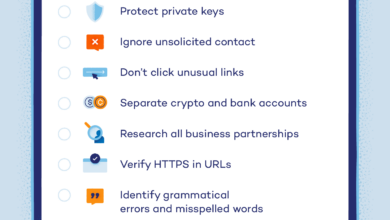
To safeguard against scams in the NFT and cryptocurrency spaces, it’s essential to perform thorough research before making any investment. Always verify the legitimacy of platforms and projects before engaging in transactions.
Additionally, it’s advisable to use secure wallets and enable two-factor authentication when dealing with cryptocurrencies. By being cautious and informed, you can significantly reduce the chances of falling victim to scams.
Engaging with established communities and forums can also provide valuable insights and warnings about potential scams, helping you make informed decisions.
Which platforms use NFTs and cryptocurrencies?
Numerous platforms are at the forefront of the NFT and cryptocurrency revolution. Some of the most well-known NFT marketplaces include:
- OpenSea: A leading marketplace for buying, selling, and discovering NFTs across various categories.
- NBA Top Shot: A platform that allows fans to buy, sell, and trade officially licensed NBA collectible highlights.
- Rarible: A decentralized NFT marketplace that enables creators to mint and sell their own NFTs.
In terms of cryptocurrencies, platforms like Coinbase and Binance allow users to buy, sell, and trade various cryptocurrencies, providing access to a wide range of digital assets.
Related questions about NFTs and cryptocurrencies
What is NFT in crypto and how does it work?
An NFT in the context of cryptocurrency is a digital asset that represents ownership of a unique item or piece of content, secured by blockchain technology. Each NFT has a distinct value based on its rarity and demand. Unlike cryptocurrencies, NFTs are not interchangeable, which makes them unique.
NFTs work by using smart contracts on a blockchain, which store the ownership details and transaction history. This ensures that ownership can be verified and transferred without the need for intermediaries.
What is the difference between NFT and cryptocurrency?
The primary difference between NFTs and cryptocurrencies lies in their fungibility. While cryptocurrencies like Bitcoin and Ethereum are fungible, meaning each unit is equivalent to another, NFTs are unique and cannot be exchanged on a one-to-one basis. This difference defines their use cases, with cryptocurrencies typically serving as currency and NFTs as collectibles or representations of ownership.
Furthermore, NFTs are often tied to specific pieces of content, while cryptocurrencies are designed for monetary transactions. This distinction highlights their different roles within the digital economy.
What is the point of owning an NFT?
Owning an NFT provides individuals with verified ownership of a unique digital item, whether it be artwork, music, or a collectible. This ownership is preserved on the blockchain, offering transparency and security.
Additionally, NFTs can serve as a form of investment, as their value may appreciate over time based on demand. Collecting NFTs can also foster a sense of community and connection to creators, making them appealing to fans and collectors alike.
Can an NFT be transferred to real money?
Yes, NFTs can potentially be converted to real money through various means. Individuals can sell their NFTs on marketplaces for cryptocurrencies, which can then be exchanged for fiat currency through exchanges. However, the actual conversion to cash depends on the demand for the specific NFT and the platform used for the transaction.
It’s important to note that not all NFTs guarantee profit; their value can fluctuate significantly. Therefore, anyone interested in converting NFTs to cash should consider market conditions and the asset’s perceived value.